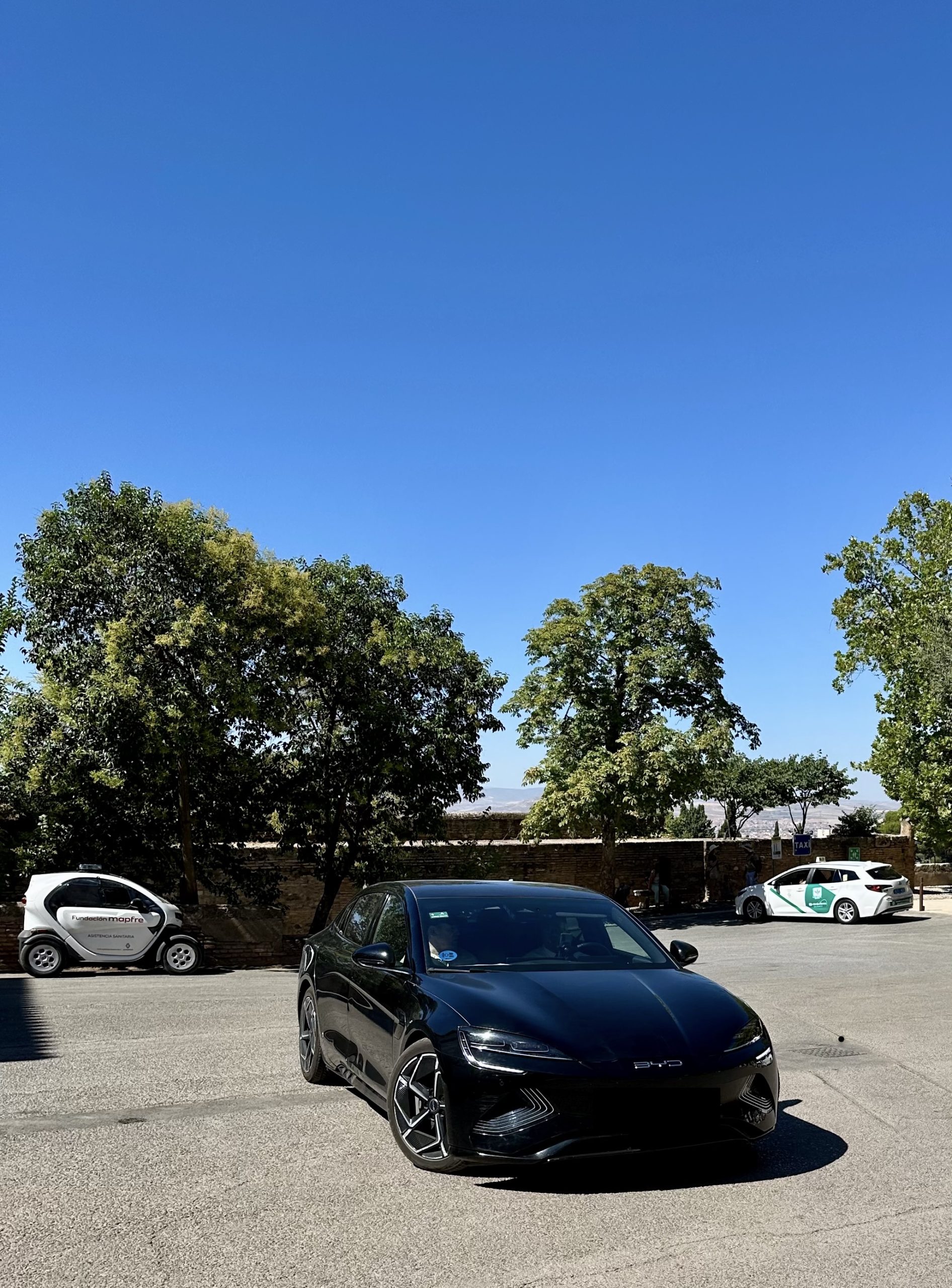
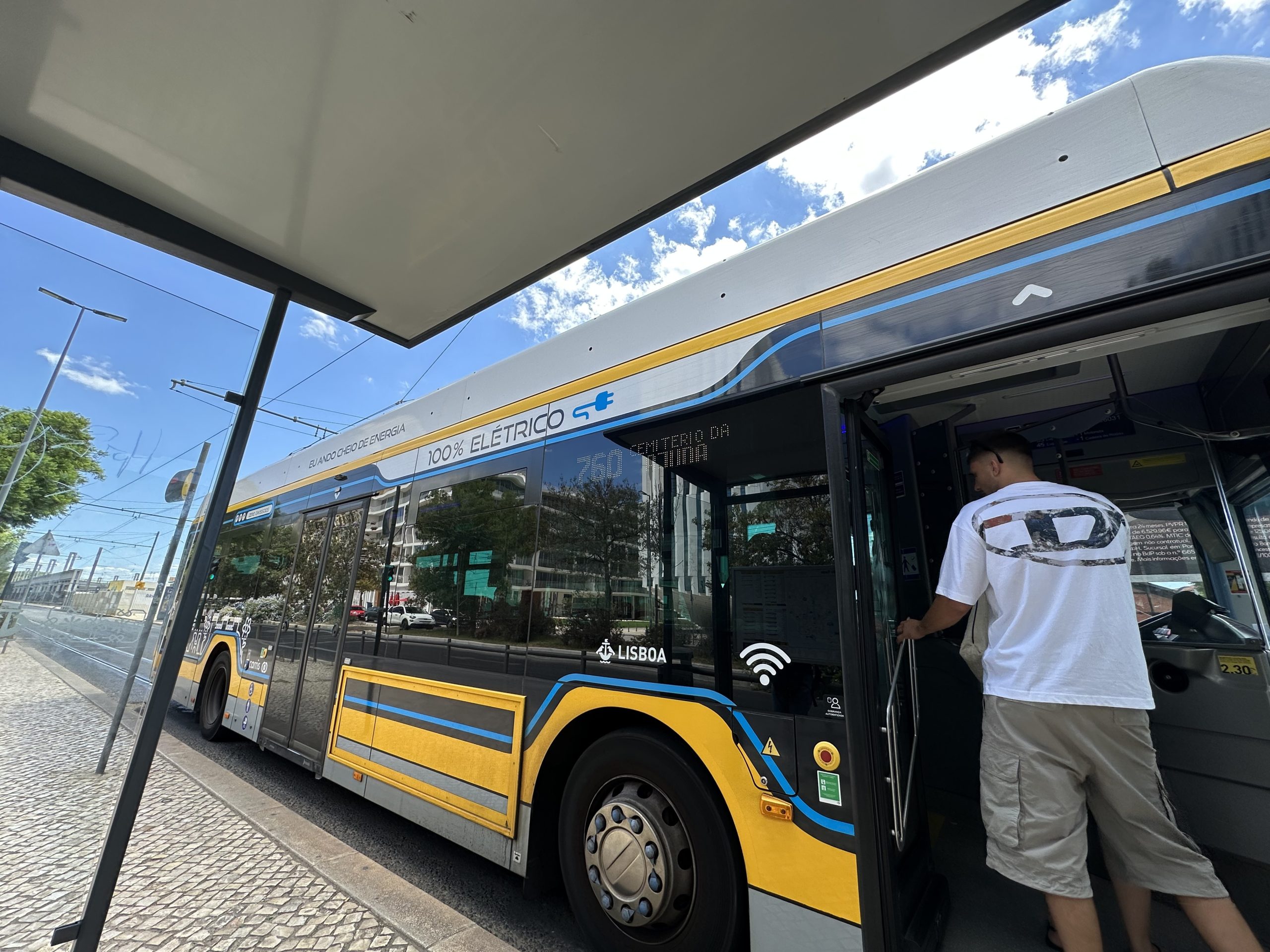
This summer my wife and I took a vacation to the Iberian Peninsula, visiting Spain and Portugal. We enjoyed the architecture, food and scenery but something that we noticed in Spain and Portugal was a difference in the number of EVs on the road. It got me thinking on my return as to why there seemed to be such a difference in EV adoption between the two Iberian nations. Here’s what I found out about the differences and what they might mean back home in Ohio.
Our observations of the difference in EV adoption turned out to be correct. While the two nations are leaders in terms of renewable energy generation they have marked differences in EV uptake. In 2025, Portugal generated 68% of its electricity from renewable energy, while Spain generated 55.5% of its electricity from renewables; (for reference, the United States obtained about 24% of its electricity from renewables in 2025). In 2026, for EVs however, about 25% of new car sales in Portugal in 2026 are battery electric vehicles and about 9% of all registered vehicles on the road are EVs. In contrast, in Spain electric vehicles represent around 10% of new car sales and account for less than 2 to 3% of all cars on the road.
Should We Follow the Route Taken by Two European Countries?
Could there be differences in public transportation between the two nations that might drive a difference in EV adoptions? We were impressed by how comprehensive the public transportation systems are in Barcelona, Spain and Lisbon, Portugal. It is easy to find information online about routes and to pay right on the buses or trains using a credit card. While buying a transit card online is convoluted, you can buy a transit card at a station easily. The Lisboa card offers not only transportation access on bus or train but also provides discounts at attractions. The two nations have exceptional public transportation systems, with similar ridership numbers comparing buses or rail, so differences in public transportation are not the likely cause for the difference in EV ownership.
Reports and news articles point to the typical reasons for lack of EV ownership, particularly in Spain. Surveys of drivers in Spain indicate concerns regarding range anxiety, cost, safety and a perception that the EV charging infrastructure is not adequate to meet demand. While over 90% of EV owners in Spain indicate that they are satisfied with their vehicle, over 80% of all drivers in Spain indicated that they are not interested in shifting to an EVs. This is surprising because as in the United States and Ohio, the concerns being raised by most drivers are perceptions that are not consistent with observation.
New EVs now have hundreds of miles of range, much more than the typical daily trip length. Charging an EV at home once or twice a week provides enough range for weekly use. EVs have been shown to have many fewer fires per mile driven than gasoline or hybrid vehicles. EV costs continue to drop year after year and used EVs are now comparable in cost to used fossil fuel vehicles. Operating and maintenance costs of EVs are lower than for gasoline or hybrid cars in Europe as well as the United States. The rate of charging infrastructure growth in Portugal and Spain is also faster than most European nations. Spain’s charging network is in the top 10 in Europe in terms of both absolute number and per capita density. The ratio of public DC fast charger to Level 2 chargers in Spain is also the second highest in Europe. The irony is that the misconceptions seem to be slowing the rate of EV adoption in Spain relative to Portugal.
Adoption subsidies are however, one area where the two nations have significant differences. Portugal has more comprehensive subsidies for EV adoption than Spain. Spain offers direct purchase incentives (up to €4,500 plus a €1,000 mandatory dealer discount) and emissions tax registration exemption and a reduction of up 75% on local road tax. Companies, small businesses and self-employed individuals can receive up to up to €5,000 toward the purchase of a commercial van.
Portugal’s incentives go even further. They offer up to €4,000 for personal vehicle purchases, up to €6,000 for corporate vehicle purchases per entity, up to up to €1,000 for electric motorbikes/mopeds and up to 50% of the purchase price (up to up to €750) for electric bikes. EVs in Portugal receive a 100% exemption on the vehicle tax for the purchase of a new vehicle, and a 100% exemption on road taxes.
EV Sales Fueled by Business Tax Deductions
Businesses can fully deduct the value-added tax (VAT) on EV purchases of up to €62,500 and 100% VAT deduction of electricity used for charging EVs. A rebate of 80% (up to up to €800) for chargers purchased for condominiums and up to 80% of installation costs (up to up to €1,000 per parking space) are available. Many municipalities also offer free parking for EVs and unrestricted access to low emissions zones and use of designated bus lanes in some areas. The EV incentives in Portugal have led to a year-over-year growth rate of 38.7% from 2025 to 2026. The business incentives have been seen as particularly important because they drive the growth of commercial EV fleet vehicles, which then enter the used market after a few years of use, driving further EV adoption.
The EV incentives in Portugal are like those in Norway. It is likely that the EV adoption rate in Portugal will continue to climb like those in Norway, where EVs now account for well over 90% of new car purchases. The Portuguese incentives have been effective at overcoming the inertia of the status quo that often holds back EV adoption despite the economic, environmental, public health and climate benefits of EV ownership.
What Ohio and the United States Should Consider
What can we learn from Spain and Portugal? Comprehensive subsidies certainly help. EV sales in the United States dropped from around 10% to 6% of total new car sales when the federal incentives were ended last year. However, as the cost of fossil fuels continue to climb, there are growing signs that trend is reversing.
EVA of Ohio can play an important role educating the public that even without subsidies, transitioning from fossil fuel powered vehicles to EVs makes good sense for many reasons.